




Regenerating Education — Living Systems
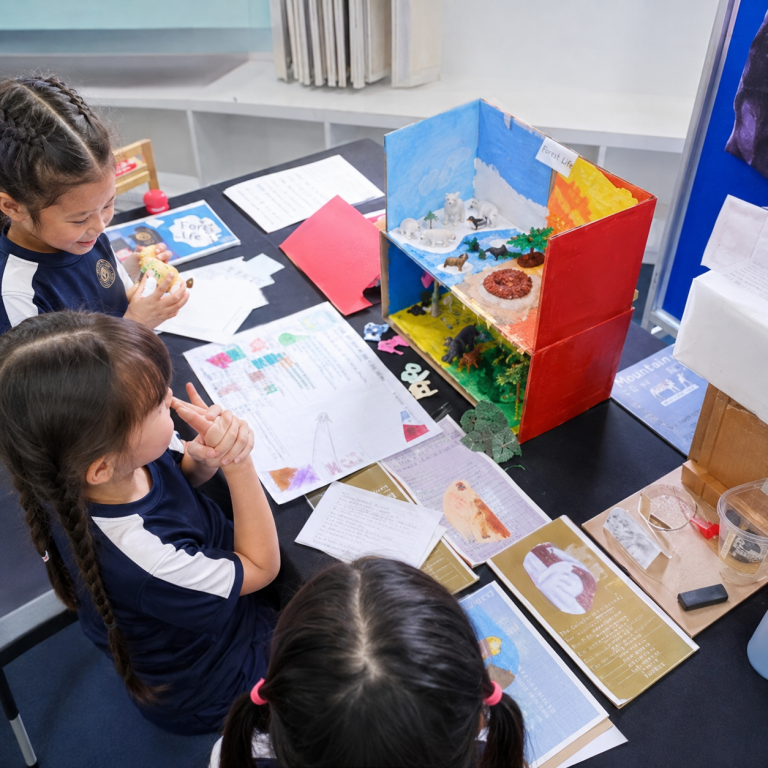
Students learn to understand the world as a set of interconnected living systems — and to see themselves as agents who can regenerate, repair, and improve those systems.

Harvard Project Zero — Thinking Cultures
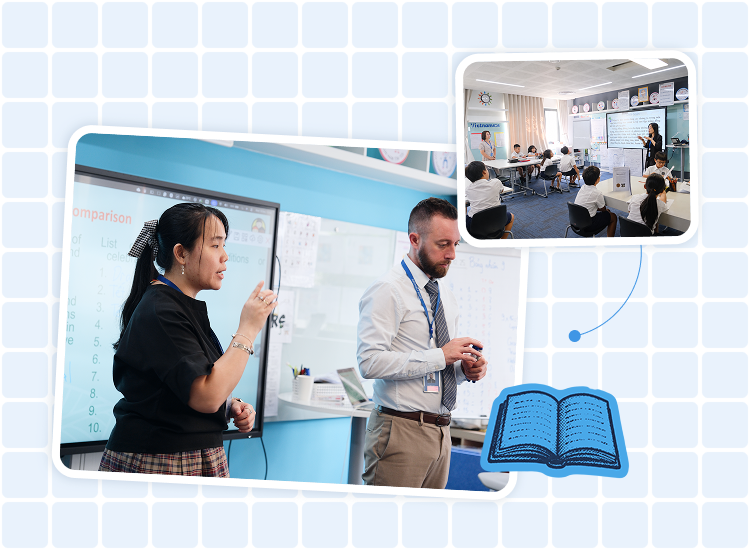
Every classroom is a culture of thinking — where intellectual curiosity is visible, questions are valued, and every student develops the metacognitive capacity to understand their own learning.

Stanford d.school — Design Thinking
Every challenge begins with empathy and ends with a real solution. Students learn to identify genuine human problems and build purposeful responses to them.

MIT Media Lab — Making & Creating
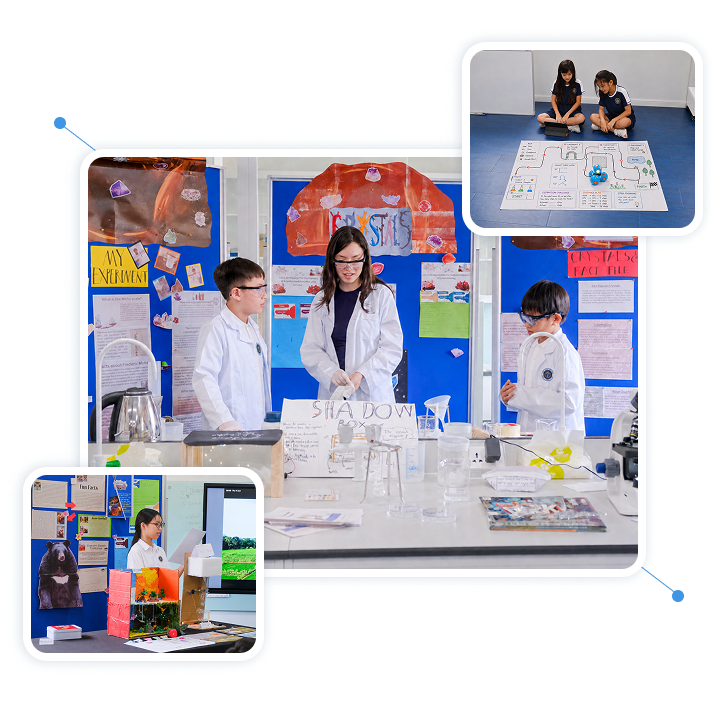
Students learn by building things that matter. Technology, design, fabrication, and creative production are not separate subjects — they are modes of understanding.

IB Framework — Academic Rigour
The International Baccalaureate provides the academic structure within which all of the above operates — ensuring that depth, rigour, and internationally recognised standards underpin everything.


Inquiry-based Learning
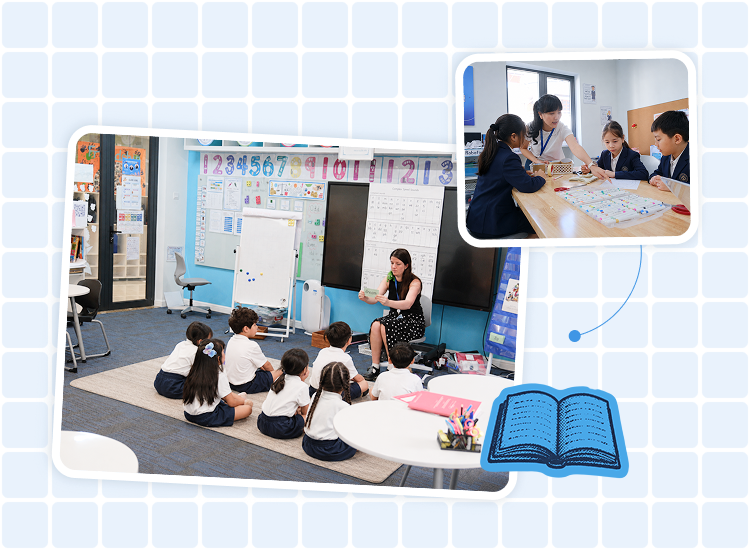
Deep dives into real-world questions — not predetermined answers. Students learn to ask better questions, hold complexity, and construct their own understanding.

Project-based Collaboration
Long-form interdisciplinary projects that require students to work together, think across subject boundaries, and produce real outcomes.
Design Challenges
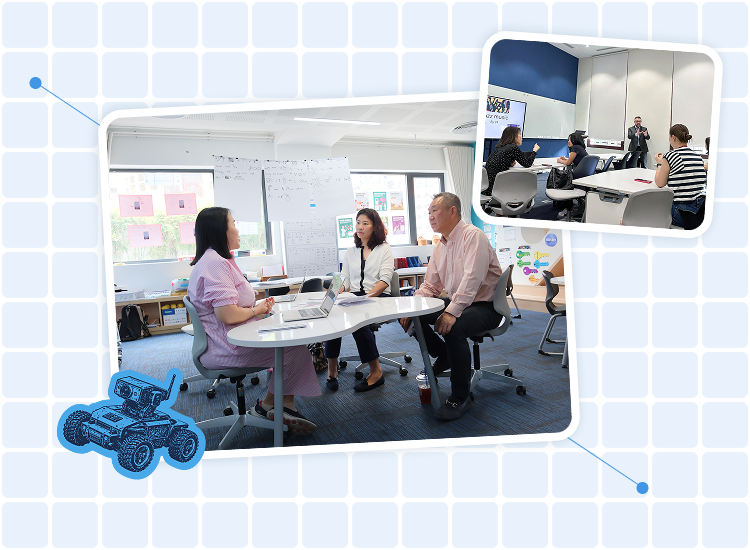
Stanford d.school methodology applied to authentic problems. Empathy. Iteration. Real feedback from real users.
Technology and Making
MIT-influenced maker culture. Students build, code, fabricate, and design — not as a separate STEM class but as a mode of learning woven throughout the curriculum.

Community and Action
Students don’t just learn about the world — they act in it. Service learning, community projects, and real-world partnerships are built into the programme.

Visible Thinking
Harvard PZ Thinking Routines are used across every subject, every year level. Thinking is made visible, documented, and reflected upon — developing metacognitive depth that lasts a lifetime.